
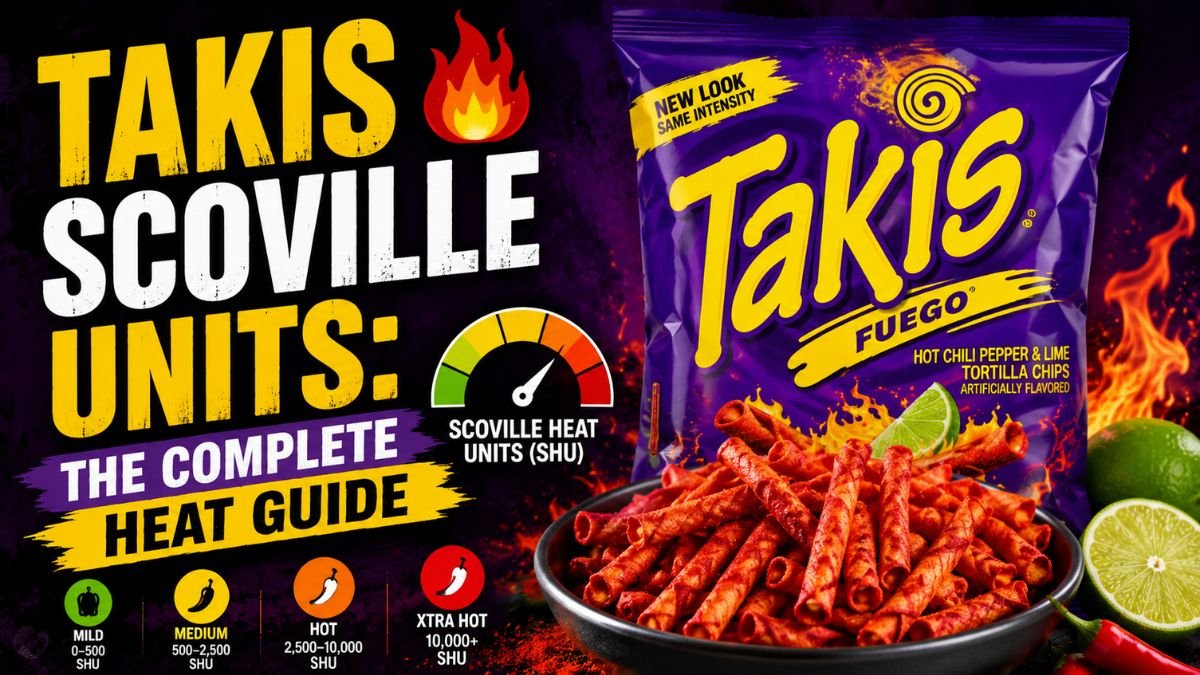
Takis Scoville Units: The Complete Heat Guide
You’ve stood in that snack aisle staring at a purple bag of Fuego, holding it a little too long, thinking “how bad is this actually going to be?”
Here’s the thing nobody tells you upfront: there’s no official Scoville number for Takis. Not Fuego. Not Blue Heat. Not Nitro. None of them.
Barcel, the company behind Takis, has never released a lab-tested SHU rating for any flavor. Not once, not ever.
So every number you see floating around online is an estimate. Built on taste tests, ingredient guesswork, and a lot of brave snackers reporting back with watering eyes.
That’s exactly why Takis Scoville Units numbers contradict each other so much across the internet. I dug through as many of those estimates as I could find, so you don’t have to.
What Is the Scoville Scale, Anyway?
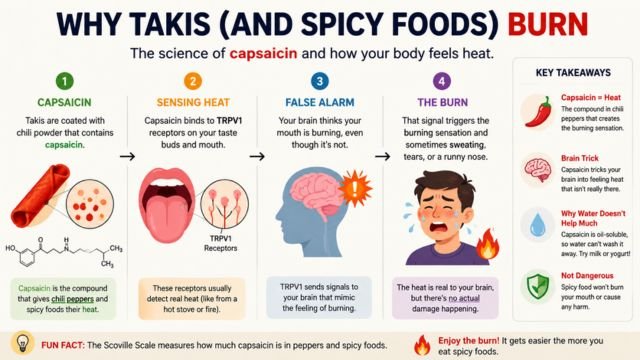
Turns out there’s an actual person behind this. Wilbur Scoville, a pharmacist, invented the scale back in 1912 to measure capsaicin — the compound behind that burning feeling in your mouth.
And here’s the part that surprised me: nothing is actually burning. Capsaicin just messes with your pain receptors and convinces your brain there’s fire involved when there isn’t.
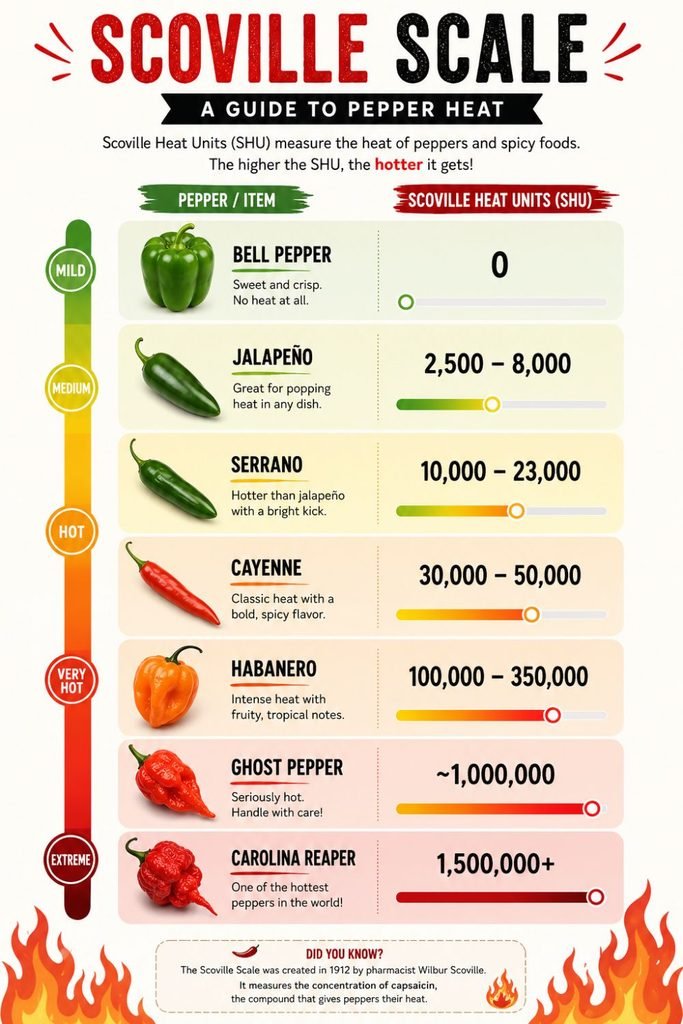
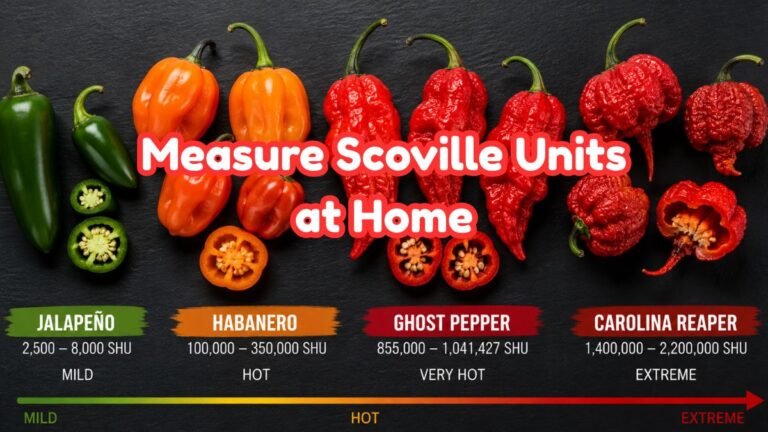
This table’s worth keeping in mind. Every Takis number coming up later will make a lot more sense once you can compare it against something familiar.
| Pepper / Item | Scoville Heat Units (SHU) |
|---|---|
| Bell Pepper | 0 |
| Jalapeño | 2,500 – 8,000 |
| Serrano | 10,000 – 23,000 |
| Cayenne | 30,000 – 50,000 |
| Habanero | 100,000 – 350,000 |
| Ghost Pepper | ~1,000,000 |
| Carolina Reaper | 1,500,000+ |
Does Takis Have an Official Rating?
Nope. Zero. Nothing official, anywhere, ever.
And honestly? This trips up half the internet. You’ll find articles that flat-out contradict each other, sometimes in the same paragraph.
Here’s why. The Scoville scale was designed for testing fresh, whole peppers under lab conditions — not a seasoning blend dusted onto a fried chip.
Takis is chili powder mixed with citric acid, salt, coloring, and a bunch of proprietary flavoring. That’s a formula, not a pure pepper extract.
There’s a smart business angle too. No fixed number means nothing for people to mock or “well actually” in comment sections. Mystery keeps people curious, and curious people keep buying bags.
So what exists instead? Estimates, everywhere — Reddit threads, food blogs, taste-test roundups, all guessing from slightly different angles.
Takis Scoville Units By Flavor
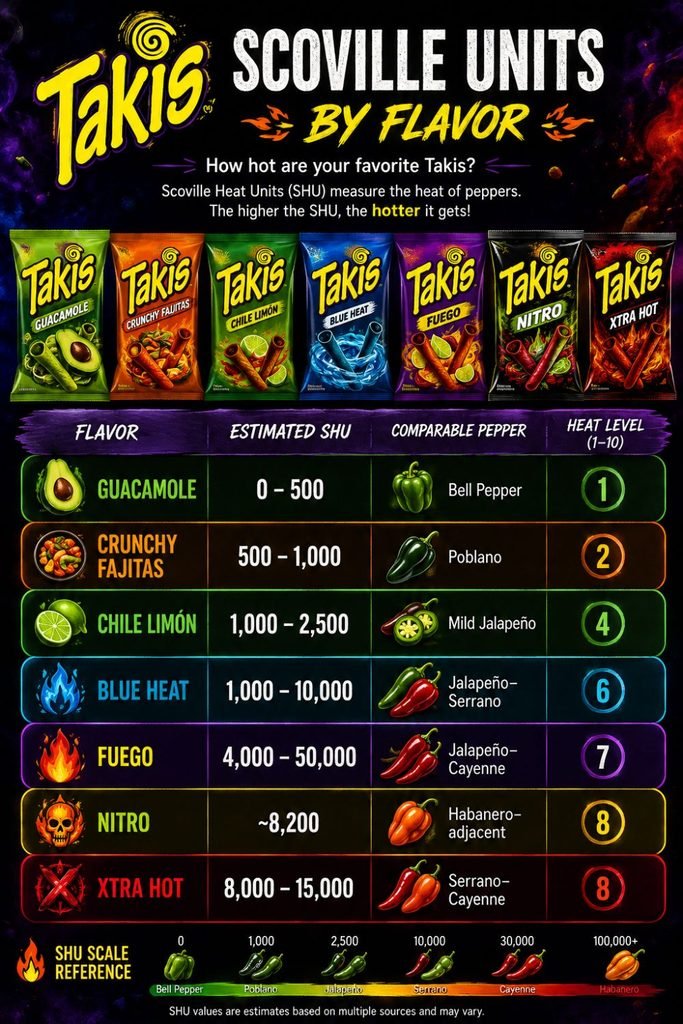
Alright, here’s what you actually came here for. I pulled together the most commonly cited estimates across food blogs, snack review sites, and taste-test roundups to build this comparison table.
| Flavor | Estimated SHU | Comparable Pepper | Heat Level (1–10) |
|---|---|---|---|
| Guacamole | 0 – 500 | Bell Pepper | 1 |
| Crunchy Fajitas | 500 – 1,000 | Poblano | 2 |
| Chile Limón | 1,000 – 2,500 | Mild Jalapeño | 4 |
| Blue Heat | 1,000 – 10,000 | Jalapeño–Serrano | 6 |
| Fuego | 4,000 – 50,000 | Jalapeño–Cayenne | 7 |
| Nitro | ~8,200 | Habanero-adjacent | 8 |
| Xtra Hot | 8,000 – 15,000 | Serrano–Cayenne | 8 |
See that Fuego range? 4,000 all the way to 50,000 SHU. That’s not a typo — that’s just how messy the estimates get once you compare enough sources.
One thing everyone does agree on, though: Guacamole and Crunchy Fajitas sit at the safe end. Mild, kid-friendly, no drama involved.
Which Flavor Is Actually the Hottest?
This debate genuinely never dies. Ask ten Takis fans which flavor is spiciest, and you’ll get ten confident, completely different answers.
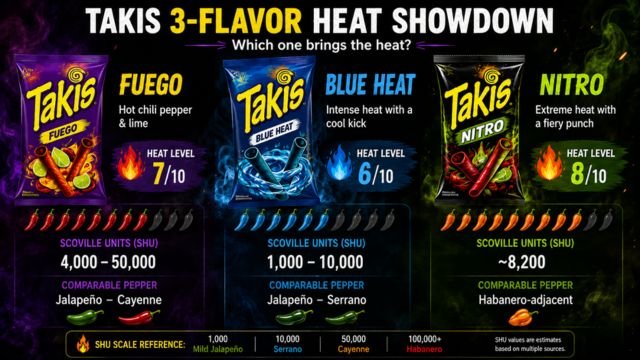
Fuego’s the icon — the purple bag, the OG flavor that built the whole brand’s reputation.
But here’s the plot twist: a lot of serious taste testers actually rank Blue Heat and Nitro hotter in a direct, side-by-side comparison.
Why the disconnect? Fuego balances its chili kick with a strong lime tang. That citrus distracts your brain just enough to soften how spicy it really is.
Blue Heat skips that balance entirely. It’s a straight, smoky pepper punch with nothing cushioning the blow.
Nitro leans into habanero-style heat instead, which tends to build slower but linger a lot longer than Fuego’s quicker, sharper hit.
So here’s my honest breakdown:
- Want the classic, crowd-pleasing burn? Go Fuego — spicy and genuinely delicious, which is exactly why it outsells everything else.
- Want raw, unfiltered heat with no distractions? Blue Heat wins, hands down.
- Want heat that creeps up and sticks around? Nitro’s your pick, thanks to that habanero base.
For context, none of these come close to something like the Paqui One Chip Challenge, which uses actual Carolina Reaper extract and sits well past a million SHU. Takis, even at their spiciest, are still built to be snackable.
Why Do Takis Feel Hotter Than the Numbers Suggest?
This is genuinely the most interesting part, so stick with me for a second.
Picture a fresh jalapeño versus a handful of Takis. In the jalapeño, capsaicin is spread through the flesh — you get a gradual, diluted hit as you chew.
Takis seasoning is different. It’s dry, concentrated powder sitting right on the chip’s surface, with zero dilution standing between it and your tongue.
That’s why a flavor rated “only” 8,000 SHU can feel way spicier in your mouth than a jalapeño at that same number. It’s the delivery method doing the damage, not just the raw number.
The crunch factor matters too — a dry, crispy chip shatters fast, spreading that seasoning across your entire tongue almost instantly, unlike biting slowly into moist pepper flesh.
And then there’s plain old biology, which honestly explains most of the online disagreement:
- Genetics decide how many capsaicin receptors you have and how sensitive they are.
- Regular exposure to spicy food builds real tolerance over time — daily hot sauce eaters barely flinch at Fuego.
- Empty stomach versus full stomach genuinely changes how intense the hit feels.
- Breathing rate and mouth dryness in the moment can intensify or dull the burn.
So when two people rate the exact same bag completely differently, they’re both telling the truth. Just through very different personal filters.
What People Are Saying on Reddit, Quora, and Forums
I spent way too long scrolling through threads for this, and it’s honestly fascinating how split people are.
One camp insists Fuego is “basically nothing” once you’ve built real tolerance. Another swears the exact same bag genuinely wrecks them every single time.
Same chips, wildly different reports — and it lines up perfectly with the tolerance stuff we just covered above.
A pattern I kept noticing: people who grew up eating spicy home cooking rate Takis mild. People who mostly stick to bland food describe it as intense, sometimes even needing to stop halfway through.
Parents chime in a lot too. Some say their kid handled Fuego just fine on the first try. Others describe an emergency milk run and a permanent switch back to Guacamole.
One more theme that kept popping up — Fuego hits fast and fades quickly, while Nitro builds slowly and lingers way longer. That matches the ingredient breakdown from earlier almost exactly.
A Quick Bite of Takis History
Takis actually started in Mexico back in 1999, made by Barcel, which is part of the larger Grupo Bimbo family of brands.
Fun detail most people don’t know — the rolled shape was reportedly inspired by traditional taquitos. Familiar shape, completely unfamiliar heat level.
The brand made its way into the US market in the early 2000s and slowly built a cult following, mostly through word of mouth and later, social media.
Fuego’s always been the flagship, but the lineup has grown a lot since then — mild nacho flavors, wild limited-edition drops, and everything in between.
Is It Safe for Kids?
Quick disclaimer — not a doctor here, so this isn’t medical advice. Just genuine common sense.
Spice tolerance is deeply personal, even between kids the exact same age. Some breeze right through Fuego, others end up in tears over a single chip.
A few practical things worth keeping in mind:
- Start mild first — try Guacamole or Crunchy Fajitas before jumping straight to Fuego.
- Keep milk on hand, always, just in case things go sideways.
- Watch portion size — a small handful hits very differently than a whole bag in one sitting.
- Check with a pediatrician first if your kid has any known stomach sensitivities.
What to Do When It’s Too Spicy
We’ve all been there. Three chips in, mouth’s on fire, frantically looking around for relief.
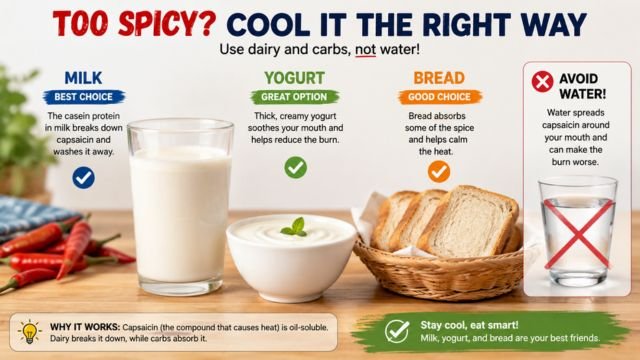
Reach for dairy first. Milk, yogurt, even ice cream. Capsaicin is fat-soluble, and the casein protein in dairy actually breaks it apart. This works better than anything else, hands down.
Skip the water. Surprising, right? Capsaicin doesn’t dissolve in water at all — drinking it just spreads the oil around your mouth. The burn usually comes right back within seconds.
Bread or rice genuinely helps. Starchy foods do a decent job soaking up leftover capsaicin oil sitting on your tongue.
Sugar’s an underrated trick. A spoonful of plain sugar or honey can dull the burn if you don’t have dairy around.
Or just ride it out. It genuinely feels endless in the moment, but the intensity does fade within a few minutes.
| Try This | Skip This |
|---|---|
| Milk, yogurt, ice cream | Plain water |
| Bread or rice | Soda |
| Sugar or honey | Alcohol |
Frequently Asked Questions About Takis Scoville Units
How many Scoville units is Takis Fuego?
No official number exists. Estimates commonly range from around 4,000 to 50,000 SHU, depending on which source you trust.
Is Blue Heat hotter than Fuego?
Depends who you ask, honestly! Many testers say yes — Blue Heat skips the lime that softens Fuego’s overall punch.
What’s the spiciest Takis flavor?
Nitro and Blue Heat usually top the list. Nitro’s habanero-style heat tends to build and linger the longest.
Are Takis hotter than Flamin’ Hot Cheetos?
Pretty close, actually. Both sit in the moderate-hot zone, and neither has an official Scoville rating either.
Why doesn’t Takis publish an official Scoville rating?
The scale was really built for fresh peppers, not seasoning blends. Plus, that mystery genuinely works in the brand’s favor.
Can Takis actually hurt you?
For most people, no — just temporary burn and maybe some stomach upset. Go easy if your stomach’s already sensitive.



One Comment