
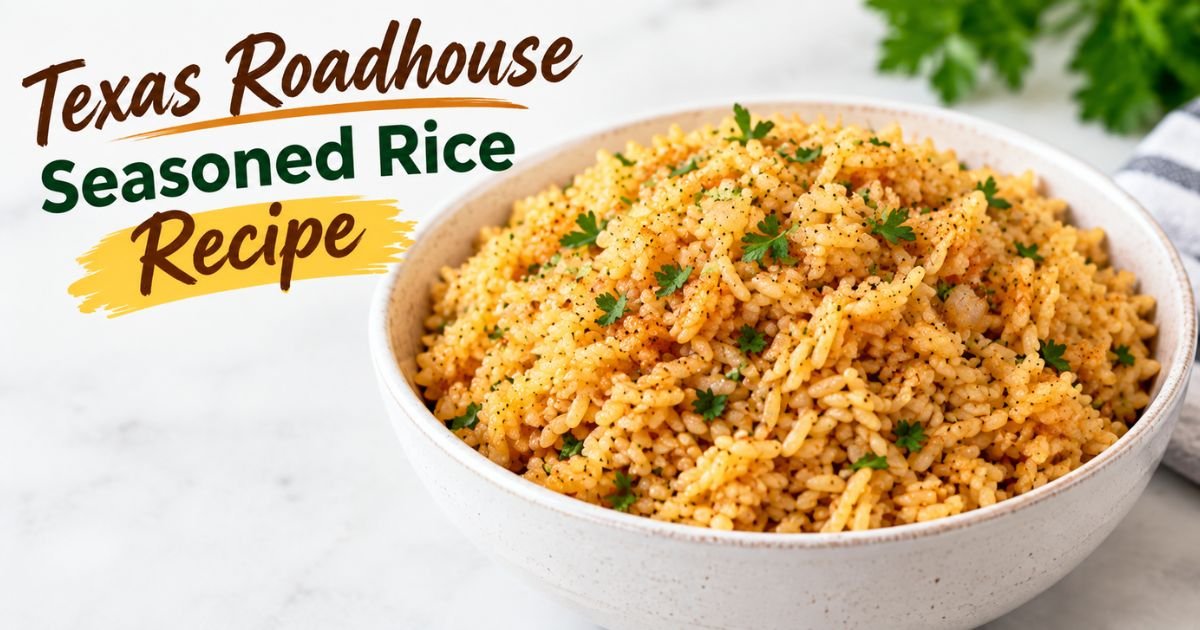
Texas Roadhouse Seasoned Rice Recipe – Easy Copycat Side Dish
Plain rice can be a useful side dish, but seasoned rice brings much more flavor to the plate without making dinner complicated. This Texas Roadhouse Seasoned Rice Recipe combines fluffy long-grain rice with butter, onion, garlic, broth, soy sauce, paprika, and a little cayenne for that savory steakhouse-style side dish many people enjoy.
The key is not just the seasoning. The rice gets toasted before the cooking liquid goes in, which gives the grains a better texture and helps build flavor from the start. After simmering, a short resting time lets the remaining moisture settle into the rice before it gets fluffed with a fork.
This recipe is my copycat-style version, designed for a home kitchen rather than presented as the proprietary Texas Roadhouse formula. Different copycat recipes use slightly different seasonings and cooking methods, including stovetop and oven versions.
For more restaurant-inspired ideas, you can also browse these restaurant-inspired recipes when planning your next meal.
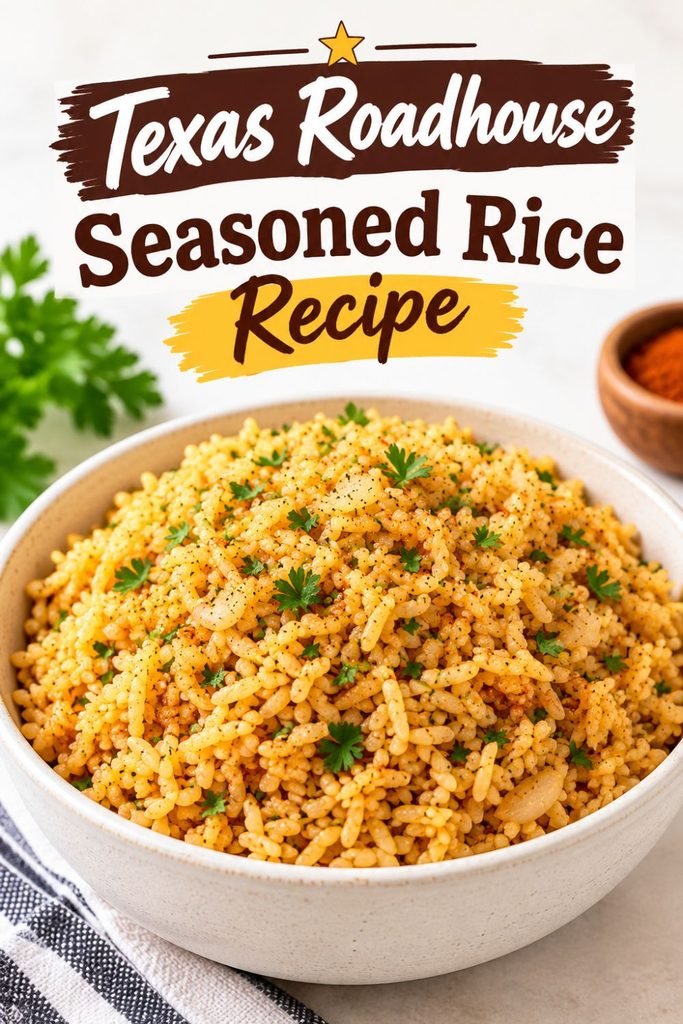
Why You Should Make This Texas Roadhouse Seasoned Rice!
There are plenty of reasons to keep this seasoned rice recipe in your dinner rotation.
First, the ingredient list is simple. Most of the flavor comes from everyday pantry staples such as rice, broth, butter, garlic, onion, paprika, black pepper, and soy sauce.
Second, the recipe uses one skillet or saucepan, so cleanup stays easy.
The rice also works with many different main dishes. Serve it beside grilled steak for a classic steakhouse-style dinner, or pair it with chicken, pork, shrimp, roasted vegetables, or grilled burgers.
Another thing I like about this recipe is the toasted rice technique. Cooking the uncooked rice with butter and onion before adding the broth gives the grains a lightly nutty flavor and helps create a better finished texture.
The spice level is also easy to adjust. A small amount of cayenne gives the rice a gentle kick, while leaving it out creates a milder side dish for the whole family.
Choosing the Best Rice for This Recipe
Long-grain white rice is my first choice for this recipe because the grains tend to stay separate after cooking.
Look for regular long-grain white rice rather than short-grain or sushi rice. Short-grain varieties contain more starch and can become sticky, which is not the texture we want here.
Can You Use Jasmine Rice?
Yes. Jasmine rice works nicely and gives the finished dish a slightly more fragrant aroma.
Keep in mind that jasmine rice can cook a little differently from standard long-grain rice, so watch the liquid level near the end of cooking.
Can You Use Basmati Rice?
Basmati is another good option. It produces long, separate grains and works especially well with savory seasonings.
Rinse basmati thoroughly and drain it well before adding it to the pan.
What About Brown Rice?
Brown rice can be used, but it needs a different cooking time and usually requires more liquid. For the closest texture to a traditional seasoned white rice side, stick with long-grain white rice.
Ingredients Needed for Texas Roadhouse Seasoned Rice
You don’t need a long list of unusual ingredients to make this recipe.
Long-Grain White Rice
Use 1 cup uncooked long-grain white rice.
Rinsing the rice removes some surface starch and helps keep the finished grains from becoming overly sticky.
Butter
Use 2 tablespoons unsalted butter.
Butter helps sauté the onion and gives the rice a smooth, savory base. Unsalted butter also gives you more control over the final salt level.
Yellow Onion
Use ½ small yellow onion, finely diced.
The onion softens while the rice toasts and adds a mild savory-sweet flavor.
Garlic
Two cloves of fresh garlic give the rice a stronger savory aroma.
Fresh garlic works especially well here, although garlic powder can be used for a pantry-friendly version.
Chicken Broth
Use 1¾ cups low-sodium chicken broth.
Broth gives the rice much more flavor than plain water. Low-sodium broth makes it easier to control the salt once soy sauce is added.
Soy Sauce
Use 1 tablespoon low-sodium soy sauce.
Soy sauce adds salty umami flavor without requiring a large amount of extra seasoning.
Paprika
Use 1 teaspoon paprika.
Paprika gives the rice its warm color and mild pepper flavor.
Black Pepper
Add ¼ teaspoon black pepper.
Freshly ground black pepper works especially well, though regular ground pepper is completely fine.
Cayenne Pepper
Use ¼ teaspoon cayenne for a mild-to-moderate level of heat.
For a family-friendly version, reduce it to a pinch or leave it out.
Dried Parsley
Add ½ teaspoon dried parsley during cooking for a mild herb note.
Fresh Parsley
Finish with 2 tablespoons finely chopped fresh parsley.
Fresh parsley adds color and a light herbal finish after the rice has cooked.
Salt
Start with a small amount or none at all.
The broth and soy sauce already bring salt to the recipe, so taste the finished rice before adding more.
Substitutions and Swap Ideas
This recipe is flexible enough to fit different pantry ingredients.
Chicken Broth
Vegetable broth works for a vegetarian version. Mushroom broth can also be used for a deeper savory profile.
Butter
Use a plant-based butter for a dairy-free version.
A small amount of neutral cooking oil can also replace the butter, though the finished rice will have a slightly different flavor.
Soy Sauce
Low-sodium soy sauce is my preferred option.
Tamari works as another substitute. For a soy-free version, use a suitable soy-free seasoning sauce and adjust the salt carefully.
Fresh Garlic
Use 1 teaspoon garlic powder in place of the fresh garlic.
Add it with the other dry seasonings rather than sautéing it for several minutes.
Cayenne
Cayenne is easy to adjust.
For mild rice, leave it out. For more heat, add another small pinch after tasting the cooked rice.
Add Mushrooms and Onions
For a heartier side, sauté sliced mushrooms with the onion before adding the rice.
You can also add finely diced bell pepper or celery for a more vegetable-forward variation.
How To Make Texas Roadhouse Seasoned Rice at Home
The method is simple, but a few small details make a noticeable difference in the final texture.
Step 1: Rinse the Rice
Place the rice in a fine-mesh strainer and rinse it under cool water until the water becomes much clearer. Let the rice drain well. Removing excess surface starch helps reduce stickiness during cooking.
Step 2: Sauté the Onion
Place a large skillet or saucepan over medium heat. Add the butter and let it melt. Add the diced onion and cook for about 2–3 minutes, stirring occasionally. The onion should soften without becoming deeply browned.
Step 3: Toast the Rice
Add the drained rice to the pan. Stir the rice with the onion and butter for about 3–5 minutes. The grains should become lightly golden and smell slightly nutty.
This step is worth taking your time with. Toasting the rice before adding the broth gives the dish another layer of flavor and helps create a more defined grain texture.
Step 4: Add Garlic and Seasonings
Add the garlic, paprika, black pepper, cayenne, and dried parsley. Stir for about 30 seconds.
Avoid cooking the garlic for too long because it can become bitter.
Step 5: Add the Broth and Soy Sauce
Pour in the chicken broth and soy sauce. Stir gently so the toasted rice is evenly distributed. Bring the mixture to a gentle boil.
Step 6: Lower the Heat and Cover
Once the liquid starts boiling, reduce the heat to low. Cover the pan with a tight-fitting lid.
Let the rice simmer for about 18–20 minutes, or until the liquid has been absorbed and the rice is tender.
Keep the heat low during this stage. High heat can cause the bottom of the rice to cook too quickly while the upper grains remain undercooked.
Step 7: Let the Rice Rest
Remove the pan from the heat and keep the lid on. Let the rice rest for 5–10 minutes.
This short resting period allows the remaining steam to finish the cooking process and helps the grains firm up.
Step 8: Fluff and Finish
Remove the lid and gently fluff the rice with a fork. Add the fresh parsley and fold it through the rice. Taste and adjust the salt only at the end.
Your Texas Roadhouse Seasoned Rice is now ready to serve.
How I Get the Perfect Seasoned Rice Texture
The biggest difference between fluffy seasoned rice and soft, sticky rice usually comes down to a few simple details.
Rinse Before Cooking
Rinsing removes excess starch from the surface of the grains. This helps prevent the rice from clumping together.
Toast the Rice
Don’t skip the toasting stage. The rice should spend several minutes cooking in the butter and onion before the broth is added. This gives the grains a slightly firmer exterior and builds flavor.
Measure the Liquid
Rice needs a dependable liquid ratio. Too much broth can leave the finished rice soft and wet. Too little can leave the center of the grains firm.
For this recipe, start with the stated amount of broth and avoid adding extra liquid during cooking unless the rice genuinely needs it.
Keep the Lid Closed
Steam is part of the cooking process. Opening the lid repeatedly lets steam escape and can change the cooking time.
Let It Rest
Don’t serve the rice straight from the burner. Those extra 5–10 minutes of covered resting time help the texture settle.
Use a Fork for Fluffing
A fork separates the grains gently without crushing them. A spoon can work, but vigorous stirring may turn the rice sticky.
Serving Suggestions for Texas Roadhouse Seasoned Rice
This seasoned rice makes an easy side for many main dishes.
Serve It With Steak
Steak and seasoned rice make a natural combination.
The savory rice works especially well with grilled sirloin, ribeye, steak tips, or sliced steak.
Pair It With Chicken
Serve the rice beside grilled chicken breast, baked chicken thighs, or pan-seared chicken.
Add a simple green vegetable to complete the plate.
Add Shrimp
Seasoned rice also works nicely with grilled or sautéed shrimp.
For a quick dinner, serve shrimp over the rice with a little chopped parsley on top.
Serve It With Pork
Pork chops, pork tenderloin, and grilled pork are all good matches.
The mild spice in the rice gives the meal extra flavor without requiring a heavy sauce.
Add Vegetables
For a simple plate, serve the rice with roasted broccoli, green beans, corn, carrots, or sautéed peppers.
For another restaurant-inspired side, you can also try this Romano’s Macaroni Grill Mac and Cheese Recipe when building a copycat-style dinner spread.
Texas Roadhouse Seasoned Rice With Mushrooms and Onions
Mushrooms and onions make a great addition to this rice.
Start by sautéing about 1 cup of sliced mushrooms with the diced onion.
Let the mushrooms cook until they release their moisture and become tender. Then add the rinsed rice and continue with the recipe.
You can also add a small amount of diced bell pepper.
For a more substantial meal, top the finished rice with sliced grilled chicken or steak.
This variation changes the texture and makes the rice work more like a complete bowl meal.
How to Store Leftover Seasoned Rice
Let leftover rice cool promptly, then place it in an airtight container and refrigerate it.
For best quality, use refrigerated leftovers within 3–4 days.
When reheating, add a small splash of water or broth before covering the rice. This creates steam and helps loosen the grains.
Microwave Reheating
Place the rice in a microwave-safe bowl.
Add 1–2 teaspoons of water or broth per serving.
Cover loosely and heat in short intervals, stirring gently between intervals, until hot.
Skillet Reheating
Add the rice to a skillet with a small splash of broth or water.
Cover and warm over low to medium-low heat.
Stir gently once or twice until the rice is heated through.
Can You Freeze Texas Roadhouse Seasoned Rice?
Yes, seasoned rice can be frozen.
Let the cooked rice cool, then divide it into meal-sized portions.
Place the portions in freezer-safe containers or bags and remove as much excess air as practical.
Freeze for up to about 2–3 months for good quality.
Thaw the rice in the refrigerator, then reheat with a small splash of water or broth.
Freezing can slightly change the texture, but the seasoning remains useful for quick meals.
Common Problems and How to Fix Them
Why Did My Rice Turn Mushy?
Too much liquid, excessive stirring, or cooking for too long can make rice mushy.
Start with the recommended liquid amount and keep the heat low once the mixture reaches a simmer.
Why Is My Rice Still Hard?
The rice may need a little more steam and cooking time.
Add a small splash of hot broth or water, cover the pan, and continue cooking over low heat for several minutes.
Then let it rest again before fluffing.
Why Does My Rice Taste Bland?
Seasoned rice needs enough salt and savory seasoning to complement the broth.
Taste the rice after cooking and add a small amount of salt, soy sauce, black pepper, or paprika as needed.
Why Is My Rice Too Salty?
Soy sauce and broth can both contain a good amount of sodium.
For the next batch, use low-sodium broth and soy sauce.
For a salty batch that is already cooked, mix in a little plain cooked rice to spread out the seasoning.
Why Did the Bottom Burn?
The heat may have been too high during the simmering stage.
Use low heat and a heavy-bottomed pan whenever possible.
A tight-fitting lid also helps maintain steady steam.
Can I Make This Texas Roadhouse Seasoned Rice Ahead?
Yes.
Prepare the rice earlier in the day, refrigerate it properly, and reheat it shortly before serving.
For larger meals, portion the rice into a serving dish and keep it covered so it stays warm.
Add a small splash of broth during reheating to help restore moisture.
Can I Double the Recipe?
Yes, but use a larger, wide pan so the rice has enough room to cook evenly.
Avoid filling a small saucepan to the top because the rice may cook unevenly.
Also allow a little extra time for the larger quantity to reach a simmer.
Texas Roadhouse Seasoned Rice FAQ
What kind of rice is best for Texas Roadhouse Seasoned Rice?
Long-grain white rice is the easiest choice for this recipe. Jasmine and basmati rice also work well, while short-grain rice can become too sticky.
Does Texas Roadhouse Seasoned Rice contain soy sauce?
Copycat recipes commonly use soy sauce as part of the seasoning, although recipes vary. This homemade version uses a small amount for savory depth.
Can I make this rice without cayenne pepper?
Absolutely.
Leave out the cayenne for a mild version. Paprika and black pepper still provide plenty of seasoning.
Can I make this recipe vegetarian?
Use vegetable broth instead of chicken broth and check that your chosen soy sauce and butter substitutes fit your dietary needs.
Can I use beef broth?
Yes.
Beef broth gives the rice a deeper savory profile. Chicken broth creates a lighter flavor, while vegetable broth works well for a vegetarian version.
Can I add mushrooms?
Yes.
Sauté sliced mushrooms with the onion before adding the rice. This makes a hearty variation that works especially well beside grilled meats.
How long does seasoned rice last in the refrigerator?
Store it in an airtight container and use it within 3–4 days for best quality.
Can I freeze this rice?
Yes. Divide it into portions, freeze in airtight freezer-safe containers or bags, and use within about 2–3 months for good quality.
How do I make the rice less spicy?
Reduce or remove the cayenne pepper.
The paprika provides color and mild seasoning without adding the same level of heat.
What can I serve with Texas Roadhouse Seasoned Rice?
Try steak, grilled chicken, shrimp, pork chops, burgers, roasted vegetables, or sautéed mushrooms.
For another copycat-style meal idea, you can pair your main dish with a side from the site’s restaurant-inspired recipe collection.
Texas Roadhouse Seasoned Rice Recipe – Easy Copycat Side Dish
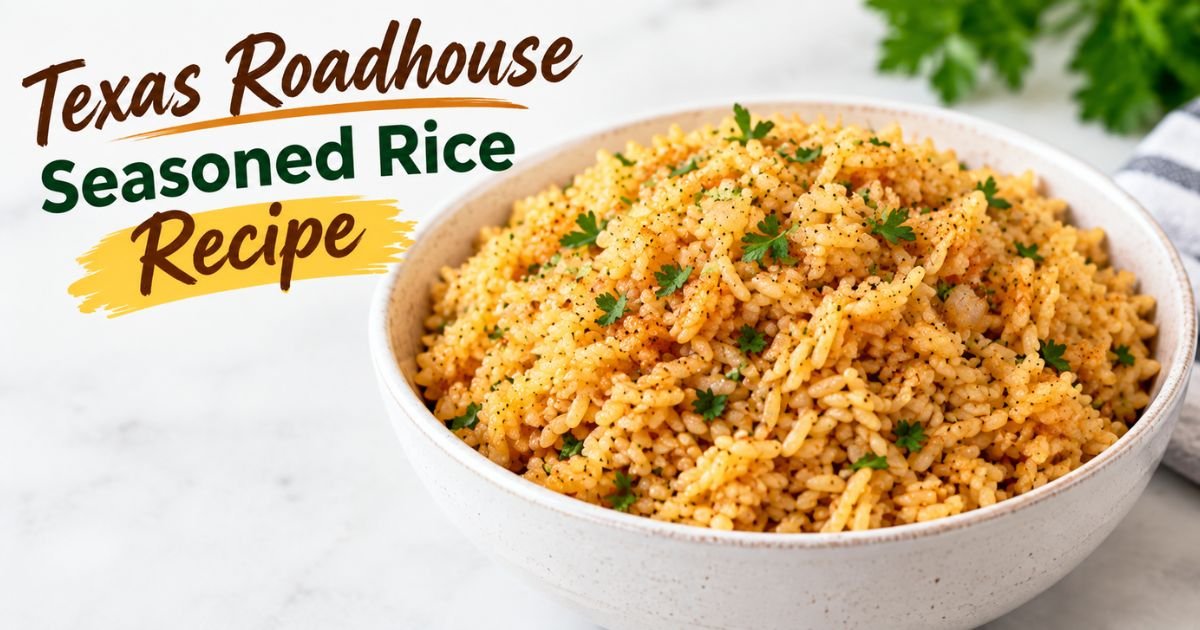
This Texas Roadhouse Seasoned Rice Recipe is an easy copycat-style side dish made with fluffy long-grain rice, butter, onion, garlic, savory broth, paprika, pepper, soy sauce, and a touch of cayenne. It is flavorful, comforting, and perfect for serving with steak, chicken, shrimp, or pork.
Ingredients
- 1 cup long-grain white rice, rinsed and drained
- 2 tablespoons unsalted butter
- ½ small yellow onion, finely diced
- 2 cloves garlic, minced
- 1¾ cups low-sodium chicken broth
- 1 tablespoon low-sodium soy sauce
- 1 teaspoon paprika
- ¼ teaspoon black pepper
- ¼ teaspoon cayenne pepper
- ½ teaspoon dried parsley
- 2 tablespoons fresh parsley, chopped
- Salt, to taste
Instructions
- Rinse the rice. Place the long-grain rice in a fine-mesh strainer and rinse it under cool running water until the water becomes mostly clear. Drain well.
- Sauté the onion. Melt the butter in a large skillet or saucepan over medium heat. Add the diced onion and cook for 2–3 minutes, until softened.
- Toast the rice. Add the drained rice to the pan. Stir to coat the grains with the butter and onion, then cook for 3–5 minutes until the rice becomes lightly golden and smells slightly nutty.
- Add the seasonings. Stir in the minced garlic, paprika, black pepper, cayenne pepper, and dried parsley. Cook for about 30 seconds, just until fragrant.
- Add the broth and soy sauce. Pour in the chicken broth and soy sauce. Stir gently to combine everything and bring the mixture to a gentle boil.
- Simmer the rice. Reduce the heat to low and cover the pan with a tight-fitting lid. Cook for 18–20 minutes, or until the rice is tender and the liquid has been absorbed.
- Rest the rice. Remove the pan from the heat but keep the lid on. Let the rice rest for 5–10 minutes so the remaining steam can finish distributing through the grains.
- Fluff and finish. Remove the lid and gently fluff the rice with a fork. Stir in the fresh parsley and taste before adding any additional salt.
- Serve. Serve the seasoned rice warm with steak, grilled chicken, shrimp, pork, or your favorite vegetables.
Notes
- Long-grain white rice gives the best fluffy texture, but jasmine or basmati rice can also be used.
- Use low-sodium broth and soy sauce so you can control the final salt level more easily.
- For a milder version, reduce or completely omit the cayenne pepper.
- Toasting the rice in butter before adding the broth helps develop a deeper, more savory flavor.
- Avoid opening the lid repeatedly while the rice is cooking because escaping steam can affect the texture.
- Leftover rice can be refrigerated in an airtight container for 3–4 days. Add a small splash of water or broth when reheating.
- For a vegetarian version, replace chicken broth with vegetable broth.
- Nutrition information is an estimate calculated from standard ingredient values. Actual nutrition may vary depending on the specific brands and products used.
Nutrition Information
Nutrition per serving:
- Calories: 188 kcal
- Carbohydrates: 31.8 g
- Protein: 3.7 g
- Total Fat: 4.9 g
- Saturated Fat: 2.9 g
- Cholesterol: approximately 12 mg
- Sodium: approximately 327 mg
- Fiber: approximately 0.5 g
- Sugar: approximately 0.5 g
Serving Suggestions
Serve this seasoned rice alongside grilled steak, chicken, pork chops, shrimp, roasted vegetables, or sautéed mushrooms and onions. It also works well as part of a restaurant-style dinner at home.






2 Comments